

The Path to Self-Actualization
Unlocking Your Full Potential

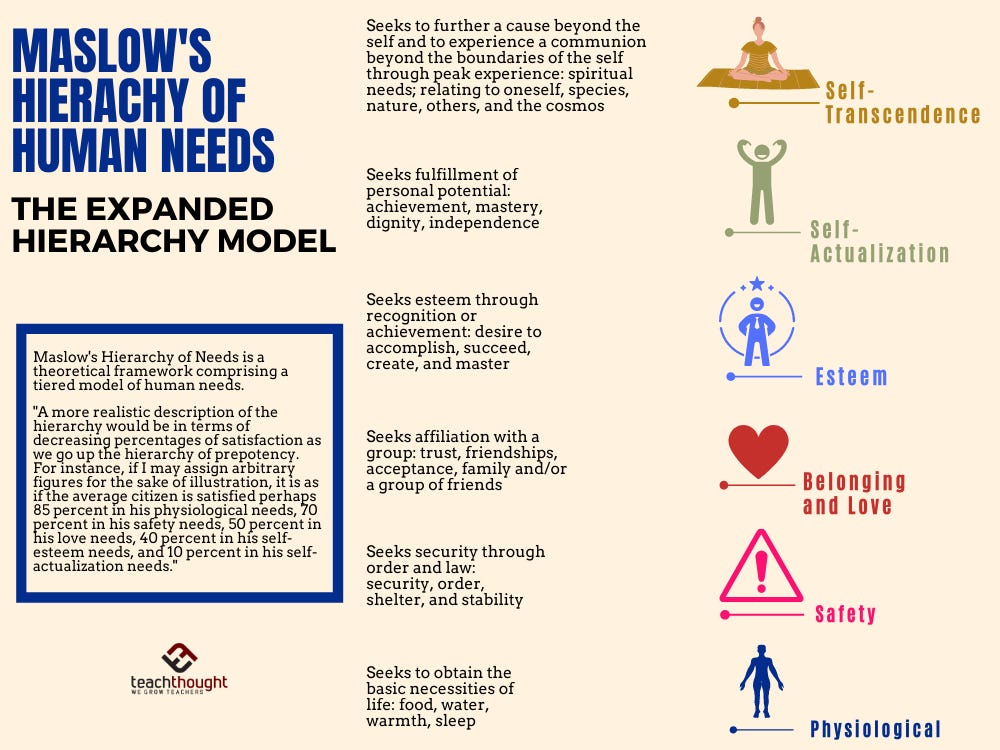
Hey there, growth-seekers! Today, we’re delving into the profound journey of self-actualization. This concept, championed by psychologist Abraham Maslow, is about realizing your full potential and becoming the best version of yourself. But how do we reach this pinnacle of personal growth? Let’s break down Maslow’s hierarchy of needs, explore the importance of community, and uncover actionable steps to achieve self-actualization. Ready to unlock your potential?
Self-actualization, in psychology, a concept regarding the process by which an individual reaches his or her full potential. Maslow’s theory asserts that the drive to self-actualize will only emerge as a motivator once a variety of more basic needs are met. Also known as: self-cultivation, self-realization.

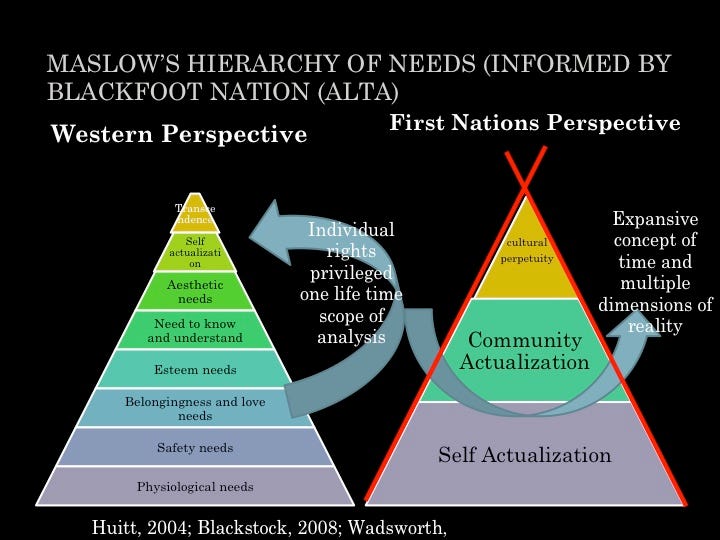
*Before delving into Maslow’s Hierarchy of Needs, I want to acknowledge that Maslow’s theories rely heavily on the First Nation Blackfoot people. According to Karen Lincoln Michel: “In the Blackfoot belief, self-actualization is the foundation on which community actualization is built. The highest form that a Blackfoot can attain is called “cultural perpetuity.” It’s an understanding that you will be forgotten, but you have a part in ensuring that your people’s important teachings live on.” Source.*
Maslow’s Hierarchy of Needs: Foundation of Self-Actualization
Abraham Maslow, a prominent humanist psychologist, introduced the hierarchy of needs in his 1943 paper “A Theory of Human Motivation.” This pyramid-shaped model (which wasn’t specifically detailed as a pyramid by Maslow) outlines the stages of human needs, culminating in self-actualization at the top. For the Blackfoot people, self-actualization is actually at the bottom of the tipi (pyramid) and community-actualization is at the top.
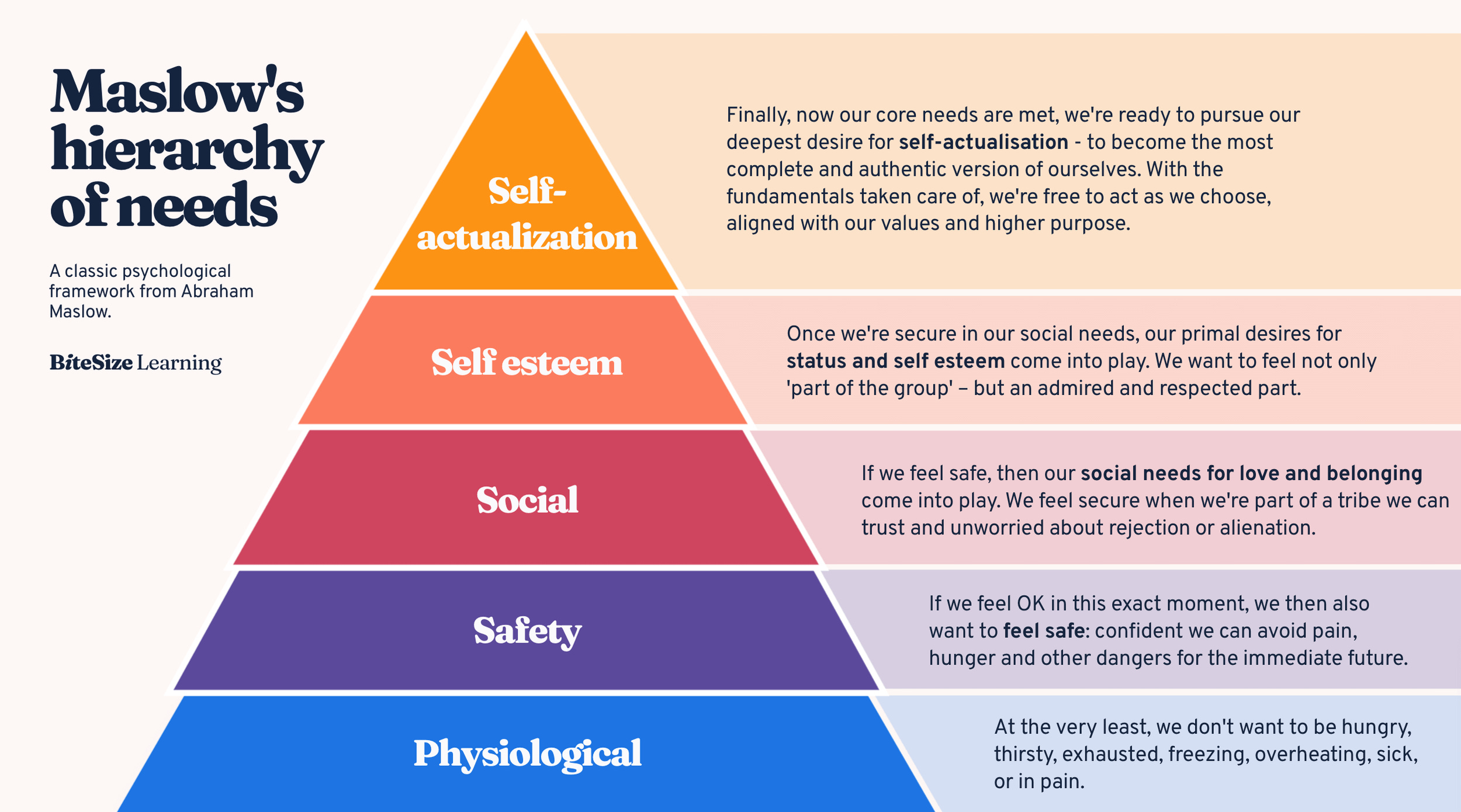
Five Levels of Maslow’s Hierarchy of Needs
Physiological Needs: The most basic human needs, such as food, water, shelter, and sleep. These are essential for survival.
Safety Needs: Once physiological needs are met, the focus shifts to safety and security. This includes physical safety, financial stability, and health.
Love and Belonging Needs: Humans are inherently social beings who need relationships, love, and a sense of belonging. This includes friendships, family, and intimate connections.
Esteem Needs: This level includes the need for self-esteem and respect from others. It encompasses feelings of accomplishment, recognition, and self-worth.
Self-Actualization Needs: The pinnacle of the hierarchy, self-actualization is about realizing one’s full potential, pursuing personal growth, and achieving self-fulfillment.
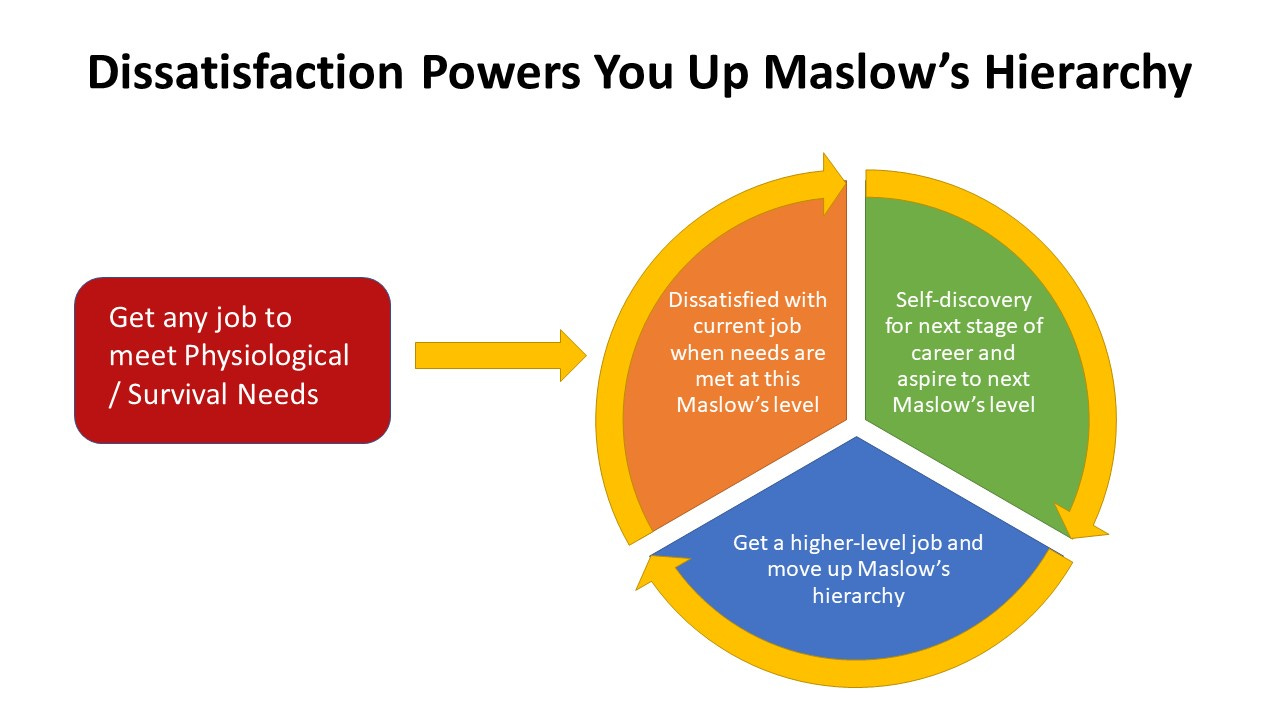
The Role of Community in Self-Actualization
Before Maslow wrote about the hierarchy of needs, he studied various tribes and cultures, including the Blackfoot Nation. These communities played a crucial role in shaping his understanding of human needs and the importance of social connections.
Why Community is Central to Self-Actualization
Support and Growth: Communities provide emotional support, encouragement, and resources essential for personal growth. For instance, many people today realize the best way to get a job is to network, and know someone who knows of a job opening at their workplace.
Sense of Belonging: Being part of a community fulfills the need for love and belonging, which is foundational for self-esteem and self-actualization.
Shared Knowledge and Wisdom: Communities offer a wealth of shared knowledge and experiences that can guide individuals on their path to self-actualization.
Step 1: Fulfill Your Basic Needs
The journey to self-actualization begins with meeting your basic physiological and safety needs. Ensure that you have a stable foundation to build upon.
Why This Matters
Without a secure base, it’s challenging to focus on higher-level needs and personal growth.
Create a checklist of your basic needs. Ensure you have adequate nutrition, a safe living environment, financial stability, and access to healthcare. Address any gaps to establish a strong foundation.
Step 2: Cultivate Deep Connections
Fulfilling the need for love and belonging is crucial. Cultivate deep, meaningful connections with friends, family, and your community.
Why This Matters
Strong social bonds provide the emotional support and sense of belonging necessary for self-esteem and self-actualization.
Make time for regular social activities. Join clubs, attend community events, or participate in online forums related to your interests. Foster relationships that are supportive and uplifting.

Step 3: Pursue Personal Growth and Fulfillment
Finally, focus on activities and pursuits that help you realize your full potential. This includes personal development, creative expression, and achieving your life goals.
Why This Matters
Personal growth is the essence of self-actualization. Engaging in activities that align with your passions and strengths leads to a fulfilling and meaningful life.
Set personal and professional goals that challenge and inspire you. Engage in lifelong learning, whether through formal education, self-study, or creative projects. Reflect regularly on your progress and adjust your path as needed.
Achieving Self-Actualization
Meet Mia, an artist who felt stuck in a corporate job. By addressing her basic needs, building a supportive community of fellow creatives, and pursuing her passion for art, Mia transitioned to a fulfilling career as a full-time artist. This journey not only brought Mia a sense of accomplishment but also enabled her to reach her full potential.
Self-actualization is a journey of personal growth, fulfillment, and realizing your full potential. By understanding and addressing the levels of Maslow’s hierarchy of needs, cultivating deep connections, and actively pursuing your passions, you can unlock the best version of yourself. Remember, community plays a vital role in this journey, providing the support and wisdom necessary for true self-fulfillment.
Self-actualization is the way ✨
💎 Diamond